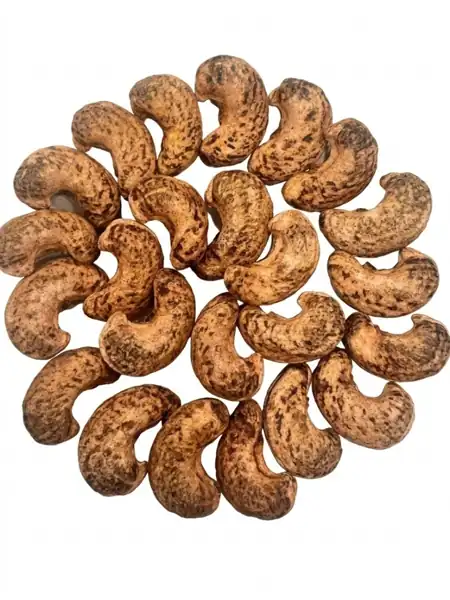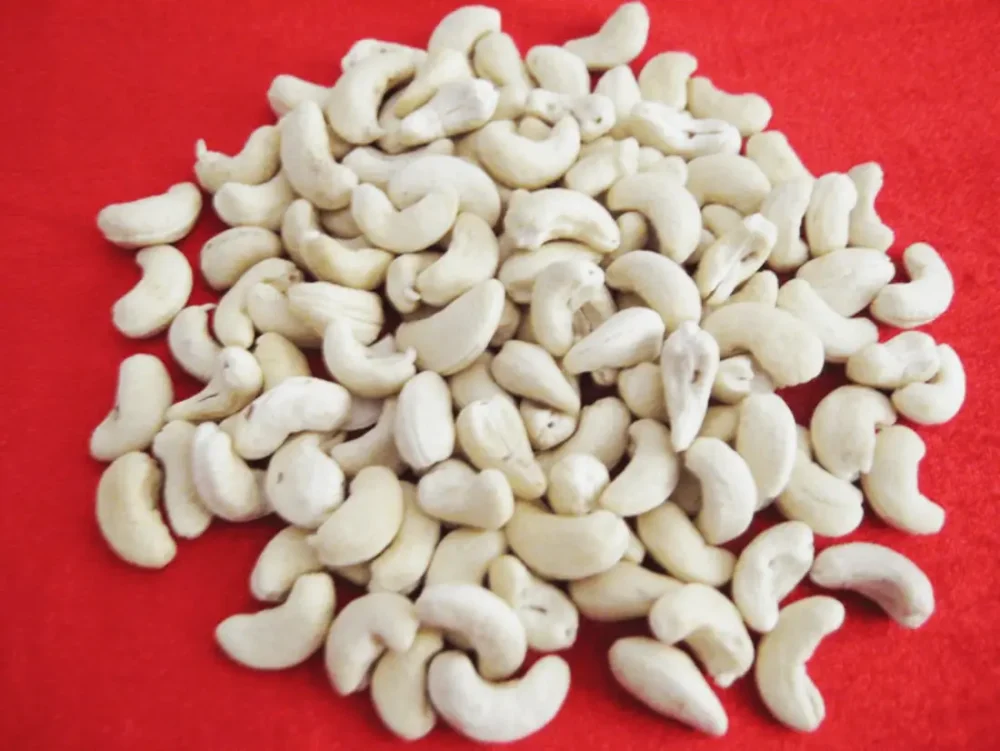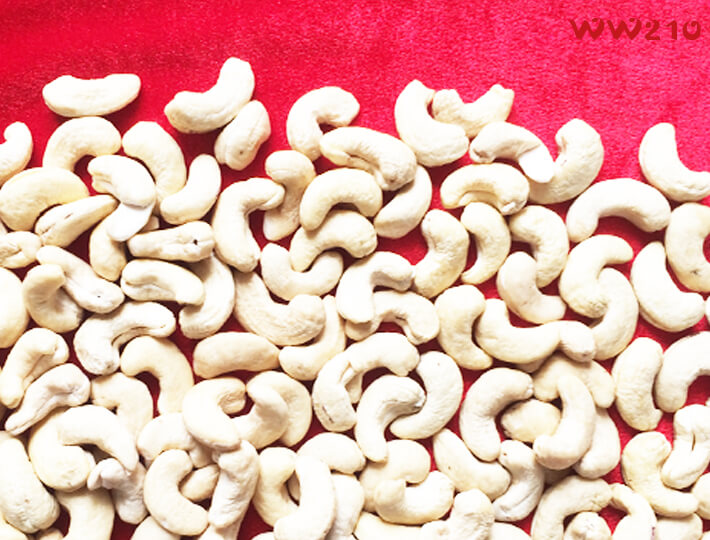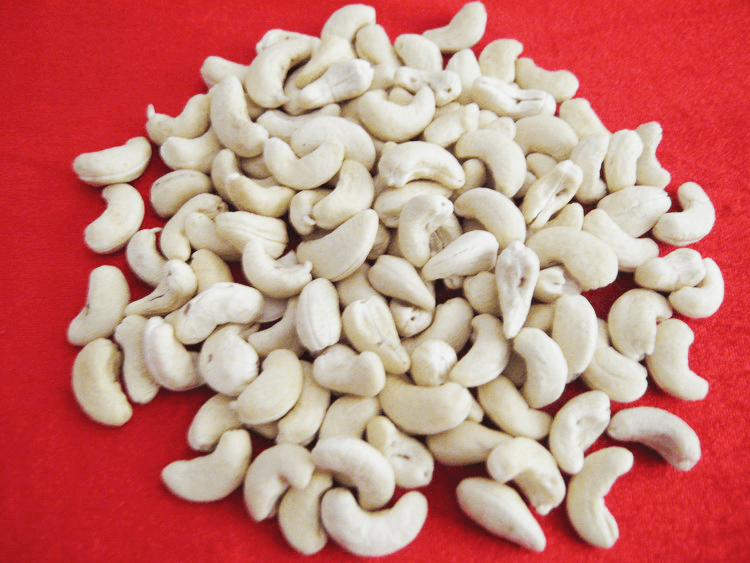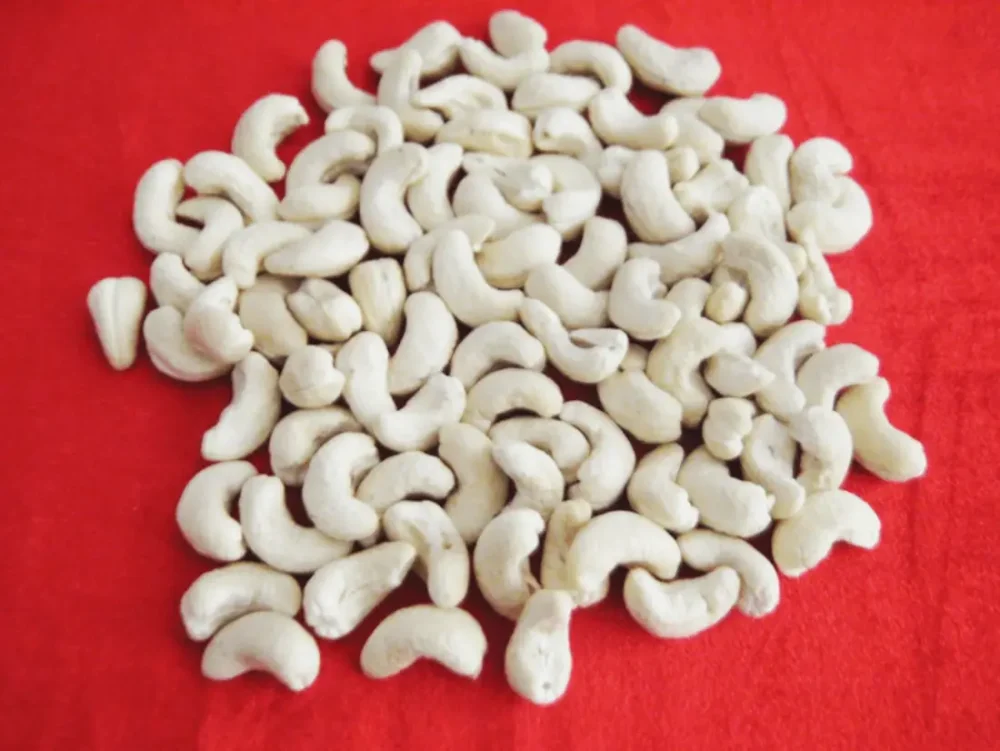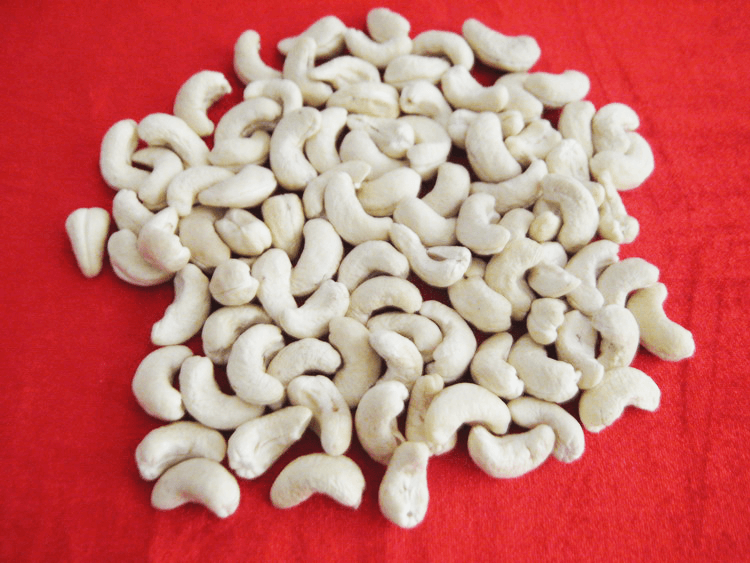


CASHEW NUT SP – PRICE: 2.0 USD/LB FOB HCMC
| Product code : | SP |
|---|---|
| Moisture : | <5 C degree |
| Color : | White |
| Price : | Contact |
Duong Cat SP cashew kernels for wholesale and food-processing enquiries. The price indicated in the listing title is a reference and is not a confirmed current quotation. | |
Duong Cat SP Cashew Kernels – Small Pieces for Food Manufacturing
What are SP cashew kernel pieces?
SP stands for Small Pieces, a broken-cashew-kernel category intended for manufacturing applications where intact whole kernels are not essential. In contrast, W180, W210, W240, W320 and W450 describe whole-white kernel size grades, while WS describes split halves and LP describes larger pieces. Buyers should choose SP based on the finished food’s texture, visible pieces and equipment requirements, rather than assuming that every SP lot has identical dimensions or quality. A grade name is a starting point for a quotation, not a finished technical specification. The exact offered lot, its size distribution and the agreed grading tolerances should be confirmed in writing.
Physical characteristics and specifications
SP cashew kernels consist of relatively small pieces that may be incorporated into biscuits, confectionery, cereals and other food formulations. Color, piece size, moisture, foreign matter and the proportion of very small fragments can differ among lots and applicable grading systems. Buyers should request a representative sample, a product specification and agreed acceptance limits before committing to a commercial order. The ingredients must be clean, free from unacceptable odors and suitable for the intended application, subject to actual testing and documentation. Claims about export conformity or food safety should rely on lot-specific evidence rather than general promotional text.
SP compared with LP, WS and whole-kernel grades
WS kernels are largely lengthwise split halves, while LP consists of larger broken pieces. SP is typically selected where smaller inclusions are useful or where identifiable large pieces are unnecessary. By comparison, whole white grades may be more attractive for retail packs featuring intact nuts. The most economical option depends on the finished product and usable yield: buying larger kernels and cutting them may create extra handling, while using small pieces may change texture or visual appearance. Request comparable samples and assess performance using the same production conditions wherever possible. A lower initial unit price does not necessarily mean a lower cost per acceptable finished unit.
Applications in cookies and bakery products
Small cashew pieces can be evaluated for mixing into cookie dough, cakes, pastries and baked snack products. Their size may help a manufacturer distribute cashew inclusions through a recipe, but the correct quantity, texture and degree of uniformity must be determined through trial batches. If a bakery wants large, recognizable nuts on top of a product, LP or a whole grade may be a better candidate. Processors should observe breakage during mixing, flavor after baking, moisture interaction and the appearance of the finished food. Because cashews are a tree-nut allergen, ingredient management and labeling must comply with the rules applicable to the finished product.
Applications in chocolate and confectionery
SP cashew pieces may be blended into chocolate bars, nut confectionery, coated snacks and selected fillings. The piece-size distribution should be compatible with molds, filling nozzles, coating thickness and equipment design. Oversized inclusions can interfere with certain systems, while excessive fines may produce an unintended texture or alter processing behavior. For procurement, the food manufacturer should provide its maximum acceptable piece dimensions and the target sensory profile. Trial runs are needed to confirm whether SP performs adequately and whether a larger or smaller piece grade would better achieve the desired result. Handling should also account for allergen cross-contact risks.
Cereals, snack mixes and nutrition bars
For granola, breakfast cereals, nut blends and nutrition bars, SP provides an option for including smaller cashew fragments throughout a formulation. The result depends on the mixing process, particle-size distribution, binder, packing method and shelf-life requirements. SP and LP can produce visibly different finished products even if the recipe contains the same total weight of cashews. Developers should compare their appearance, crunch, distribution and waste rate rather than making a purchasing decision based on a label. The actual batch should also be tested under realistic transport and storage conditions to identify any excessive generation of fines or unfavorable texture changes.
Processing and grading considerations
Commercial cashew kernel processing may include receiving raw nuts, heat treatment, shell removal, drying, testa peeling, grading, inspection and packing. Small pieces can be separated and graded during processing, although each facility may use different equipment and production methods. A buyer should focus on agreed lot specifications, quality controls and traceability instead of assuming that a generic process description proves how an individual shipment was manufactured. Sampling and inspection should address color, dryness, piece size, unwanted odors and foreign matter. If a lot shows abnormal moisture, insects, rancidity or contamination, it should be evaluated against the purchase agreement and relevant food safety requirements before acceptance.
Quality and food-safety checks
The appropriate quality program depends on the buyer’s market, intended process and contractual standards. Typical review points include piece-size range, color, moisture content, degree of fragmentation, packaging condition, storage history, traceability and foreign-matter controls. Where required, the supplier and buyer should agree on testing for relevant contaminants, microbiological parameters and applicable pesticide or mycotoxin limits. A commercial grade description is not itself a certificate, nor does it demonstrate that every lot complies with every importing country’s regulations. Establish a sampling method, test requirements, acceptance criteria and a process for dealing with nonconforming goods before shipment.
Packing, warehousing and transport
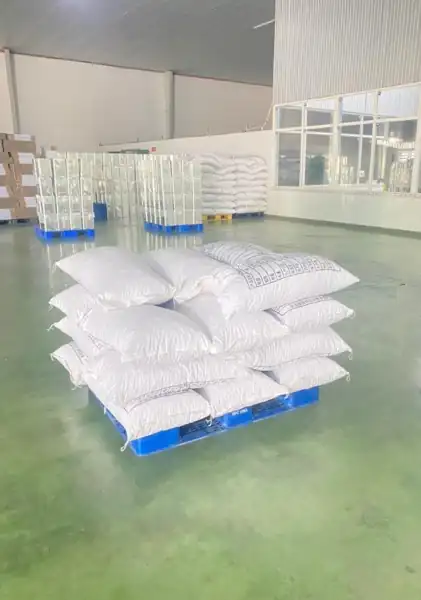
Because cashews naturally contain oils, appropriate handling and protection from heat, moisture and strong odors are important. Packing may include sealed food-contact bags, vacuum packing where suitable and protective outer cartons or other mutually agreed options. The buyer and supplier should confirm net weights, pack counts, carton strength, labeling, storage instructions and transportation conditions. SP fragments may be more susceptible to further fragmentation during unnecessary handling, so the packing method should be evaluated for the actual shipping route. Inspect incoming cartons and kernels on arrival rather than assuming that a satisfactory warehouse sample guarantees identical results after transit.
Requesting an SP wholesale quotation
To obtain a useful quotation for SP kernels, specify the intended food application, desired piece size, expected quantity, moisture and defect limits, packing format, destination, delivery terms, required documents and target shipment window. Ask the supplier for a dated offer and the scope of the proposed lot specification. A historical USD-per-pound amount embedded in a website product title should not be treated as a confirmed current selling price. If procurement volume is significant, request a representative sample and validate it on the actual production line. This provides a clearer purchasing basis than choosing solely by grade code or a general product-page description.
Related products and contact
Compare LP large cashew pieces, WS white splits and W320 whole cashew kernels. Browse the cashew kernel category and all Duong Cat products for additional grades.
Contact Duong Cat to request a sample and a current lot-specific quotation covering required specifications, quantity, packaging and shipping terms.
DUONG CAT SP CASHEW KERNELS – SMALL-PIECE INGREDIENTS SELECTED FOR YOUR PRODUCTION REQUIREMENTS.
| Độ ẩm | <5 độ C |
|---|---|
| Màu sắc | Trắng |
| Đóng gói / Khu vực | PE vacuumed packing/Tin packing, … Carton box outside |